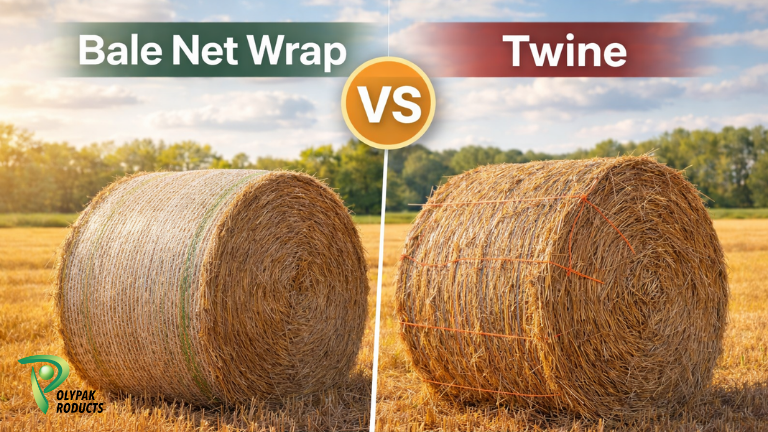
How much time lose a farmer without bale net wrap?
In modern agriculture, the efficiency of forage harvesting and storage processes directly impacts the profitability of farming operations. One of the key factors influencing productivity is the choice of wrapping material for bales — bale net wrap or traditional baler twine.
This article explores how much time a farmer can lose when using twine instead of net wrap bale, as well as the economic and operational consequences of this choice.
Impact on baling time
Using hay bale net wrap significantly reduces the time required to complete each bale. Unlike twine, which requires multiple revolutions to secure a bale, bale wrap net ensures fast and uniform coverage with just a few turns. This boosts baler throughput and reduces operator fatigue.
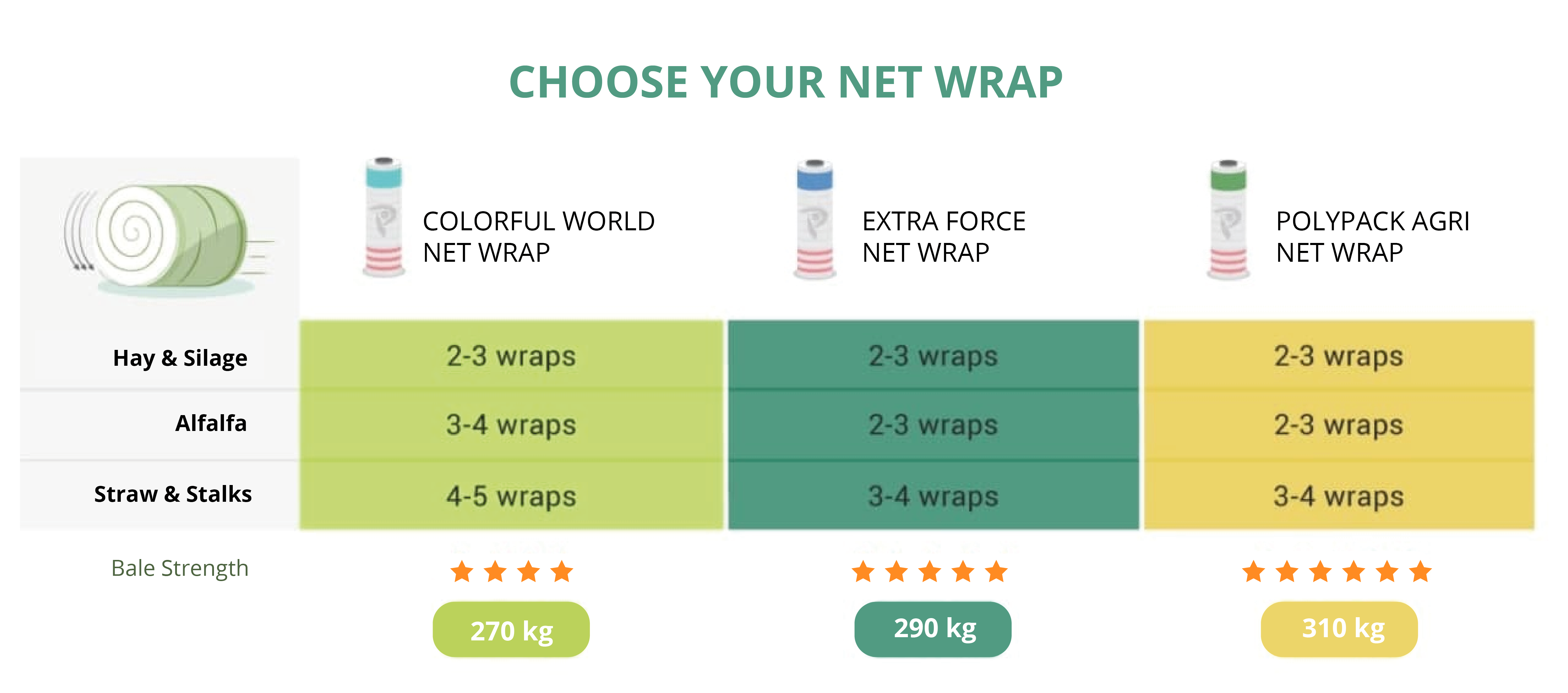
For example, when using Polypak net to wrap round bales, depending on the type and material of the crop, the number of turns required is only 2-3.
Lorem ipsum dolor sit amet, consectetur adipiscing elit. Ut elit tellus, luctus nec ullamcorper mattis, pulvinar dapibus leo.
According to research conducted by South Dakota State University, using bale netting wrap can increase baler productivity by up to 25% compared to using twine.
Time savings in storage and transport
Bales wrapped with net wrap roll maintain a more stable shape and density, making them easier to store and transport. This stability reduces the risk of damage and feed loss during storage.
In addition, hay net wrap offers better moisture protection, helping to preserve the nutritional value of the forage.
Animal health considerations
Improperly handled twine-wrapped bales can result in loose plastic strands ending up in the feed, posing a health risk to livestock. Studies show that the accumulation of plastic material in a cow’s rumen can lead to serious health issues, including weight loss and digestive problems.
Key advantages of bale net wrap
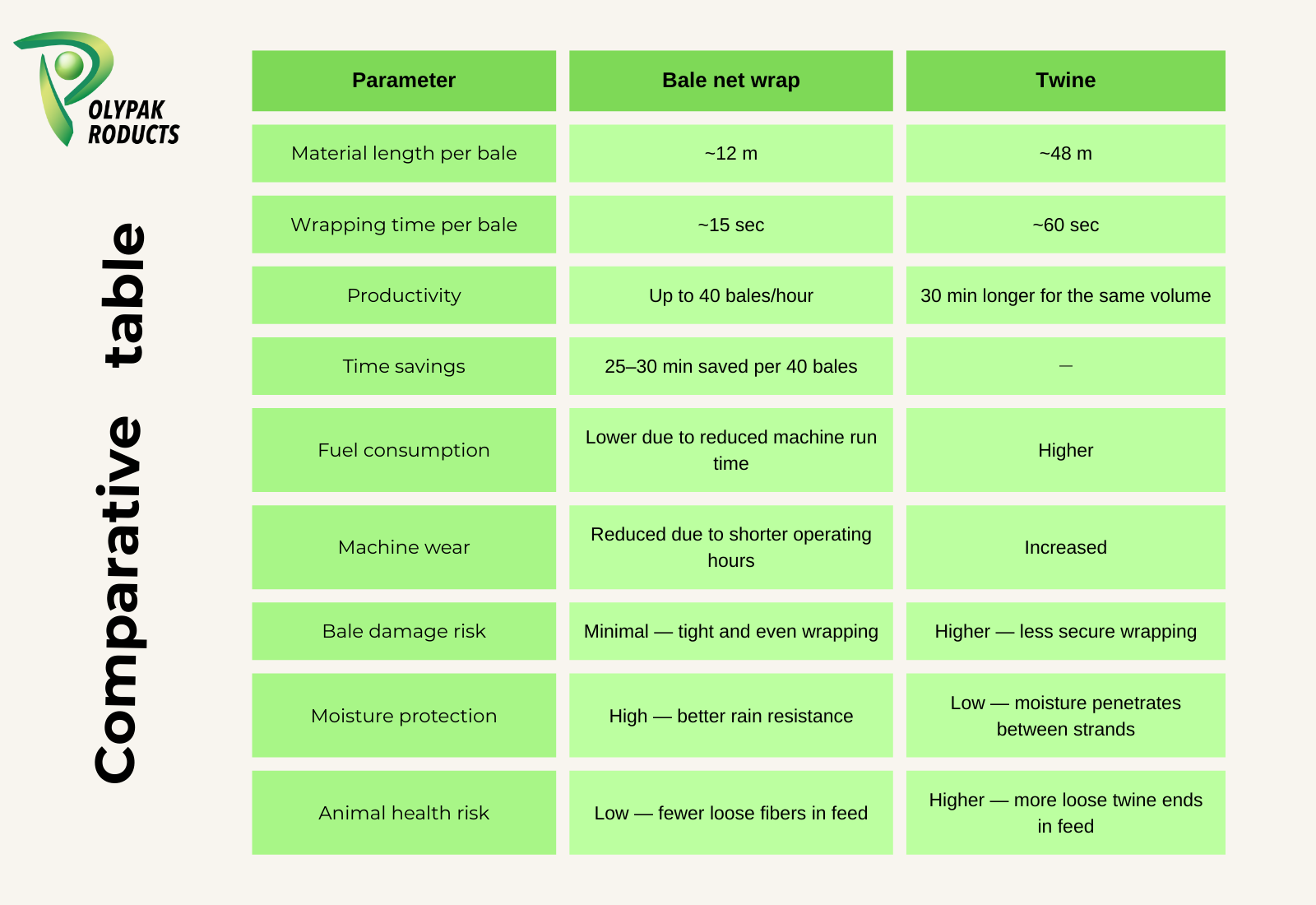
Wrapping a 1.5 m round bale requires approximately 12 m of net wrap versus 48 m of twine.
The benefits of net wrap bale include:
- Up to 4× faster wrapping (15 sec vs. 60 sec)
- 25% or more higher baling speed
- Lower fuel costs due to shorter operating times
- Reduced labor costs with fewer man-hours
- Lower equipment wear and reduced maintenance expenses
Additionally, hay bale net wrap provides superior protection against moisture and mechanical damage, improving forage quality and reducing losses.
Conclusion
While twine has a lower material cost, bale net wrap delivers clear operational and economic advantages by saving time, reducing resource use, and improving bale quality.
For farmers focused on efficiency, forage preservation, and long-term profitability, round bale net wrap is the smarter choice.

How much time does a farmer lose without bale net wrap?
Posted by netwrapexpertComments: 0This article explores how much time a farmer can lose when using twine instead of net wrap bale, as well…Read More
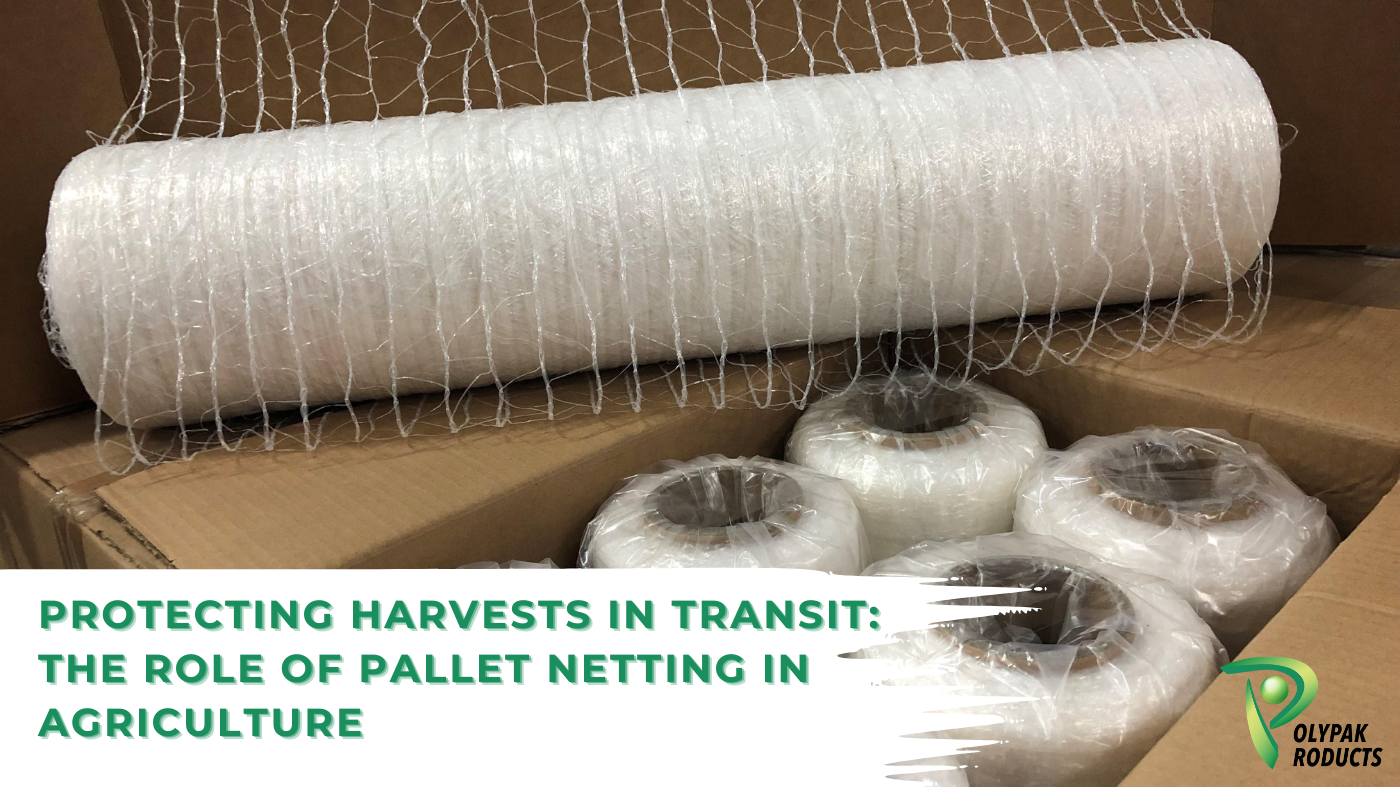
Protecting harvests in transit: the role of pallet netting in agriculture
Posted by netwrapexpertComments: 0Pallet netting has emerged as a highly effective solution in the agri-sector, offering a unique combination of ventilation, cargo security,…Read More
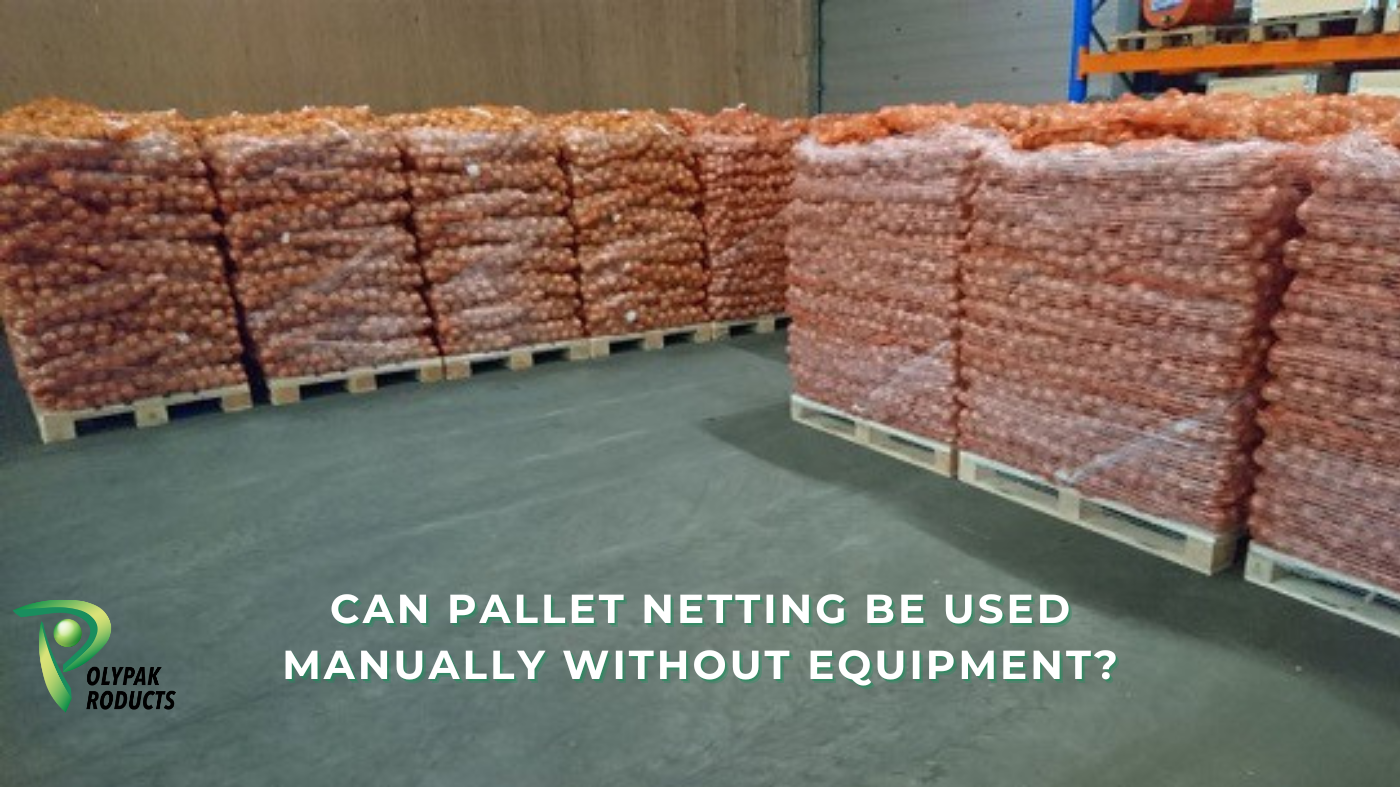
Can pallet netting be used manually without equipment?
Posted by netwrapexpertComments: 0However, many potential users — especially small businesses and farms — often ask: Can pallet netting be applied manually without…Read More